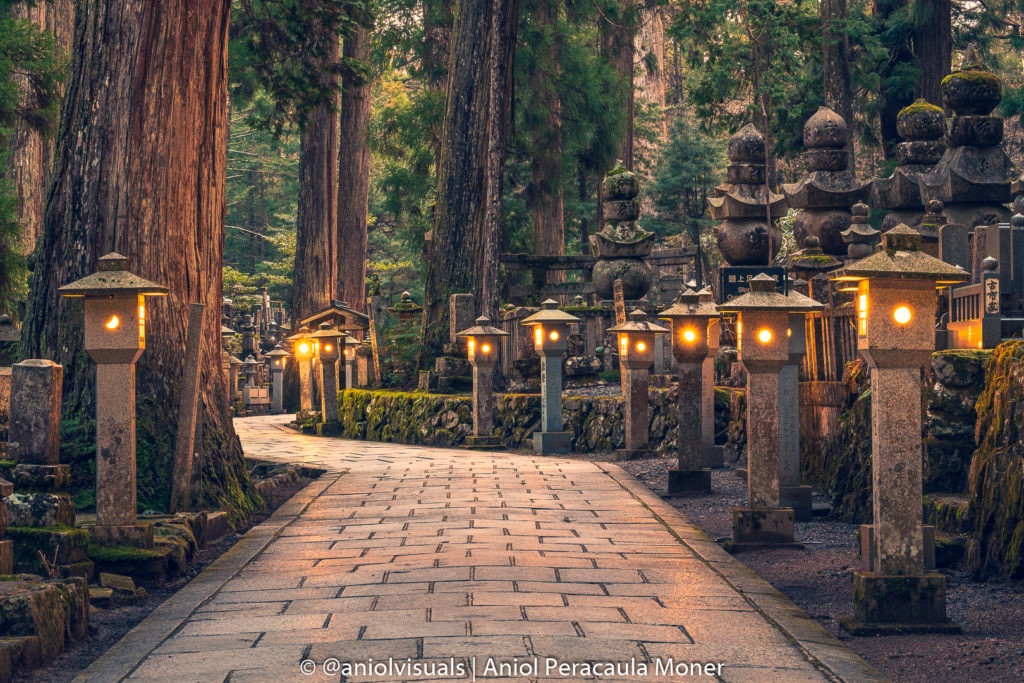
A station by ellen · Wakayama, Japan

The mountain keeps its own time.

Twelve hundred years ago, a monk named Kūkai climbed into these cedars and never really left. Koyasan is not a place you visit. It is a place that quietly rearranges you — one bell, one bowl of rice, one lantern at a time.

Walk in slowly

Arrival 到着


The cable car pulls you up through the mist, and somewhere on that climb the ordinary world lets go of your sleeve.

At the top, the air smells of cedar and old incense. A hundred and seventeen temples share this plateau, their roofs dark with centuries of rain. The guidebooks will tell you what to see. They will not tell you how it feels to stand beneath a gate built by hands that turned to dust eight hundred years ago — and to realize the gate does not care whether you photograph it. It has outlasted better cameras than yours.

This page is for the other Koyasan. The one made of small stories, kept in the folds of the mountain, told only to those who stay the night.

Temple architecture of Koyasan
The first gate you pass, and the last one that leaves you

What the guidebooks skip 秘話

The mountain's small, unspoken stories


Temple hall at Koyasan

The lamps that never went outTwo flames, a thousand years

In the Lantern Hall of Okunoin, among ten thousand donated lights, two flames are said to have burned without pause for roughly a millennium — one offered by an emperor, one by a poor woman who sold her hair to buy the oil. The mountain remembers both equally. That is the first lesson it teaches.
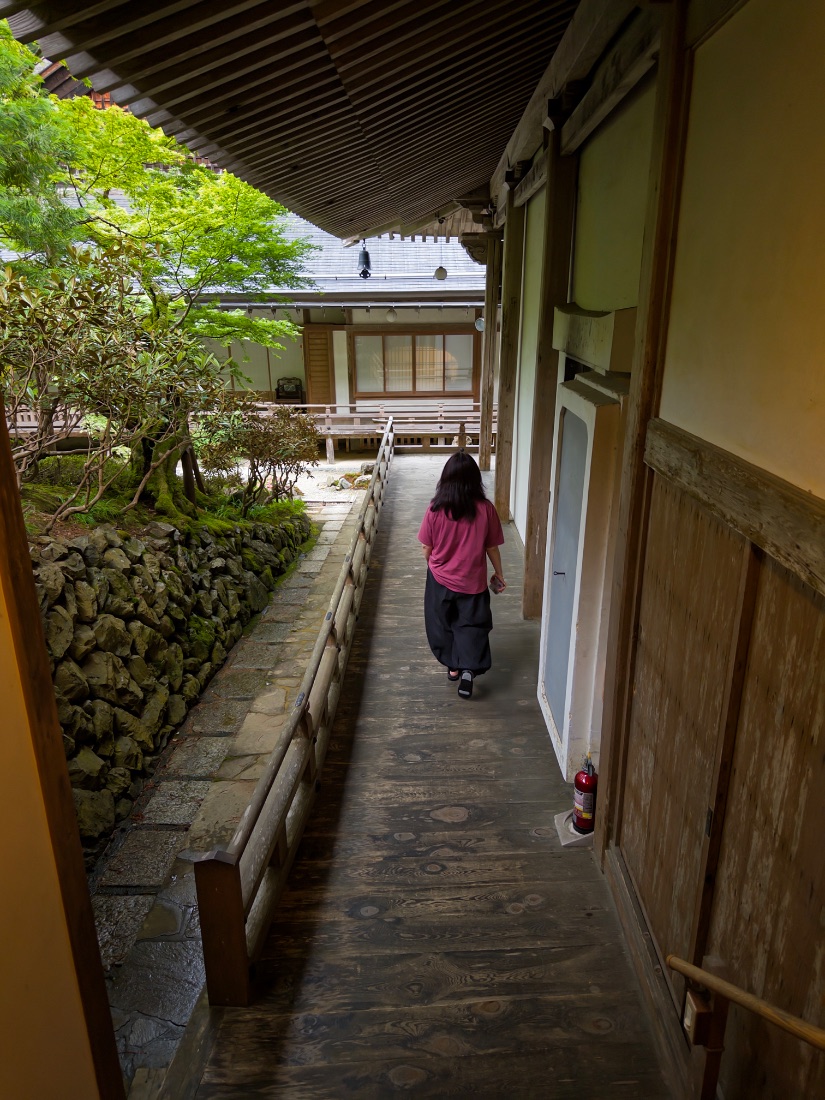
Temple grounds and wooden structures

He is not gone, only quietTwo meals a day, forever

The monks here will not tell you Kūkai died. They say he entered eternal meditation in 835, and they mean it: every morning at dawn, and again before noon, cooks carry a tray of food to his mausoleum. It has happened every day for nearly twelve centuries. Faith, here, looks like breakfast.
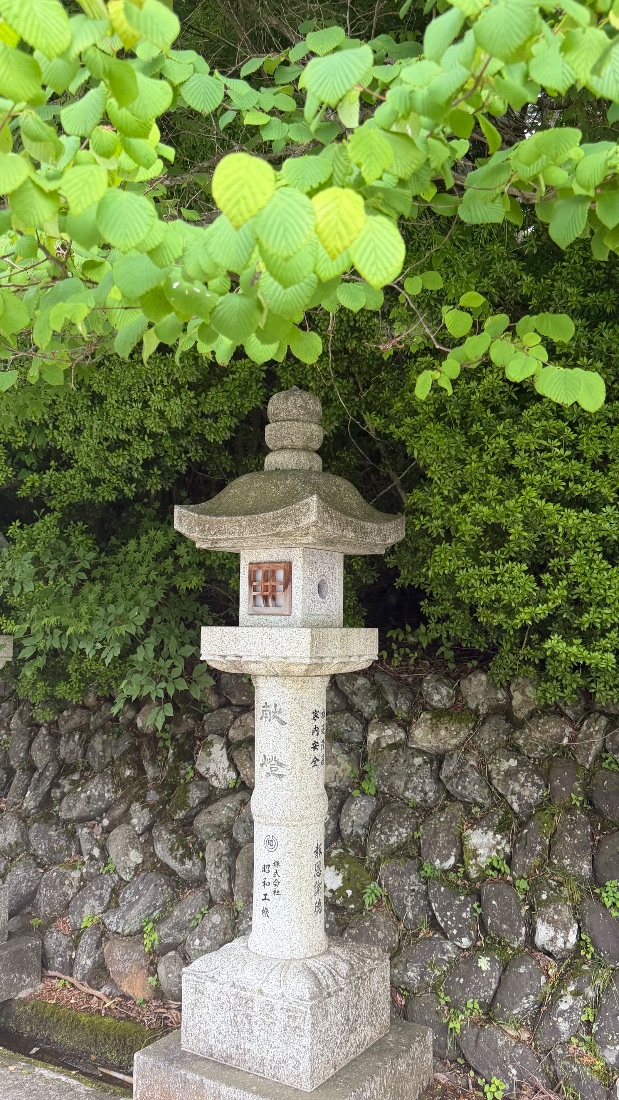
Details of Koyasan temple

A forest of farewellsWhere even rivals rest together

Deep in the cemetery forest, samurai who spent their lives trying to kill one another now lie a few steps apart under the same moss. Beside them stand memorials raised by modern companies for their workers. Enemies, strangers, colleagues — the cedars make no distinctions. Neither, eventually, do we.

Shukubō — sleeping in a temple 宿坊

One night, kept slowly


A temple stay is not a hotel with tatami. It is a borrowed rhythm — the monks' day, lent to you for one evening. This is roughly how it unfolds.

You take off your shoes

And something else comes off with them. A monk shows you to a paper-walled room that holds a low table, a garden view, and almost nothing else. The emptiness is not a lack. It is an invitation.

Dinner without a single fish

Shōjin ryōri — the monks' vegetarian cuisine — arrives in a dozen small lacquered dishes. Sesame tofu, mountain vegetables, broth clear as the evening air. It was designed a thousand years ago to harm nothing, and it tastes like attention.

The mountain goes dark

No bars, no noise, no reason to be awake. You lie on a futon listening to rain on cedar and discover that boredom, given an hour, ferments into peace.

Morning sutras

You sit in a cold hall while monks chant in a language you do not speak, and understand it anyway. The voices are not performing for you. That is exactly why it moves you.

The fire ritual

In many temples a goma fire is lit — wooden prayer sticks fed to the flame, each one carrying somebody's written wish. Yours can be among them. Watching your worries burn is older than any therapy, and cheaper.

Inside the temple lodging at Koyasan
Rooms that hold almost nothing, and somehow everything
Temple courtyard at Koyasan
Morning light finds the courtyard first

Why we stay 学び

Why do people fall in love with sleeping in temples?


Not for comfort — the floors are hard, the mornings are early, and the walls are made of paper. People come, and come back, for something hotels cannot sell: permission to be simple.

In a temple, no one asks what you do for a living. Your schedule is a bell. Your dinner was decided by a monk who thinks of cooking as prayer. Every decision you would normally make has been gently taken from you, and in the space those decisions used to fill, something quieter grows.

A shukubō stay is a small apprenticeship in being human. You learn that a meal eaten slowly feeds more than the body. That silence is not empty but full. That a life can be measured not in achievements but in mornings — one chant, one flame, one bow at a time. You arrive as a tourist. You leave, briefly, as a student of your own life.

"You do not come to Koyasan to see something. You come to be, for one night, someone slightly quieter than the person who arrived." — what the mountain teaches, in its own words

That is the secret the guidebooks cannot print. It doesn't fit in a listing. It only fits in a night.

Kept in the folds of the mountain 面影

What the eye carried home


The lamps are still burning. The trays are still carried at dawn. The mountain keeps its own time — and for one night, if you let it, it will keep yours too.