Shadow Notebook · Lost in Translation
词不达意
Feierabend
5 September 2026
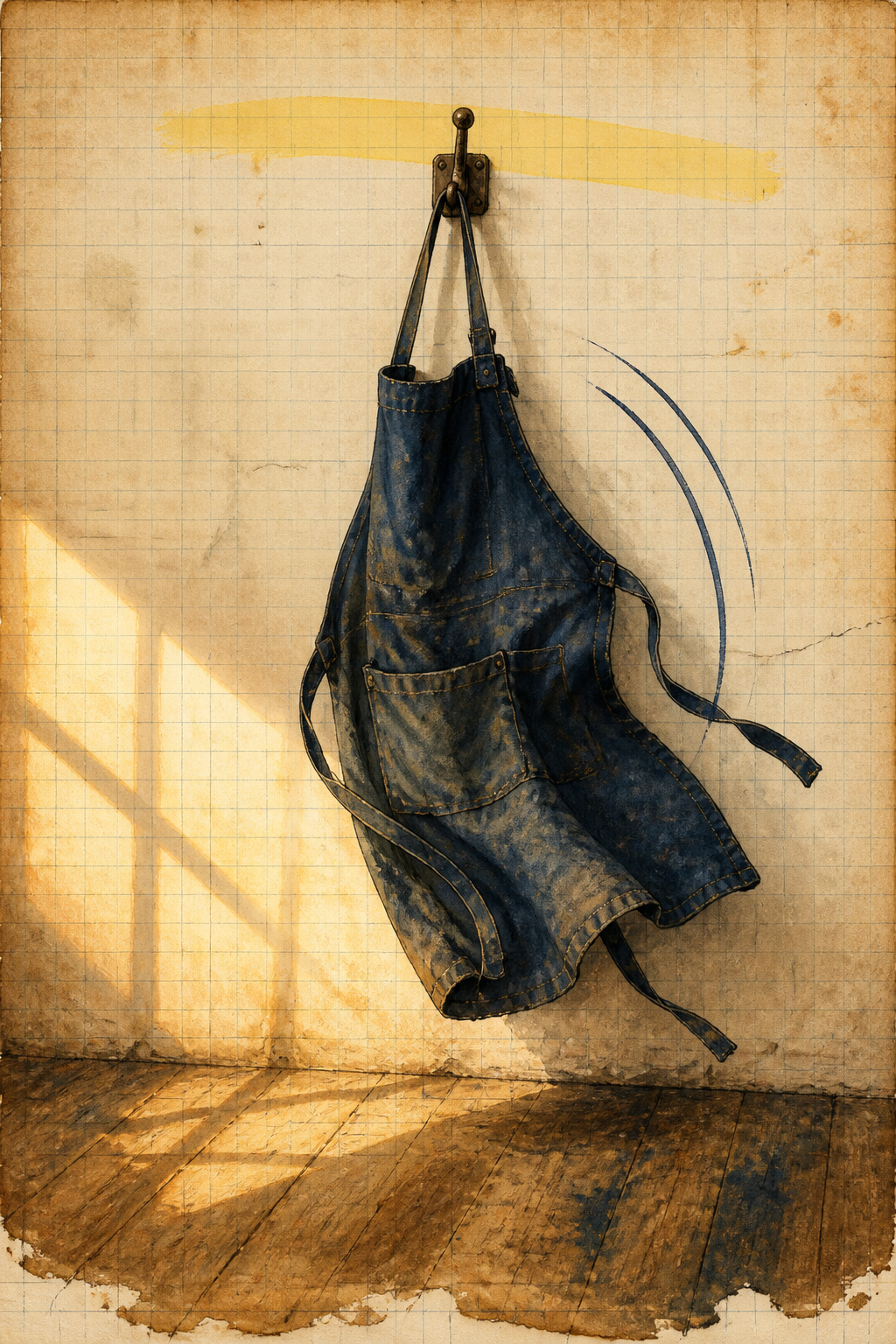
Four cards · scattered
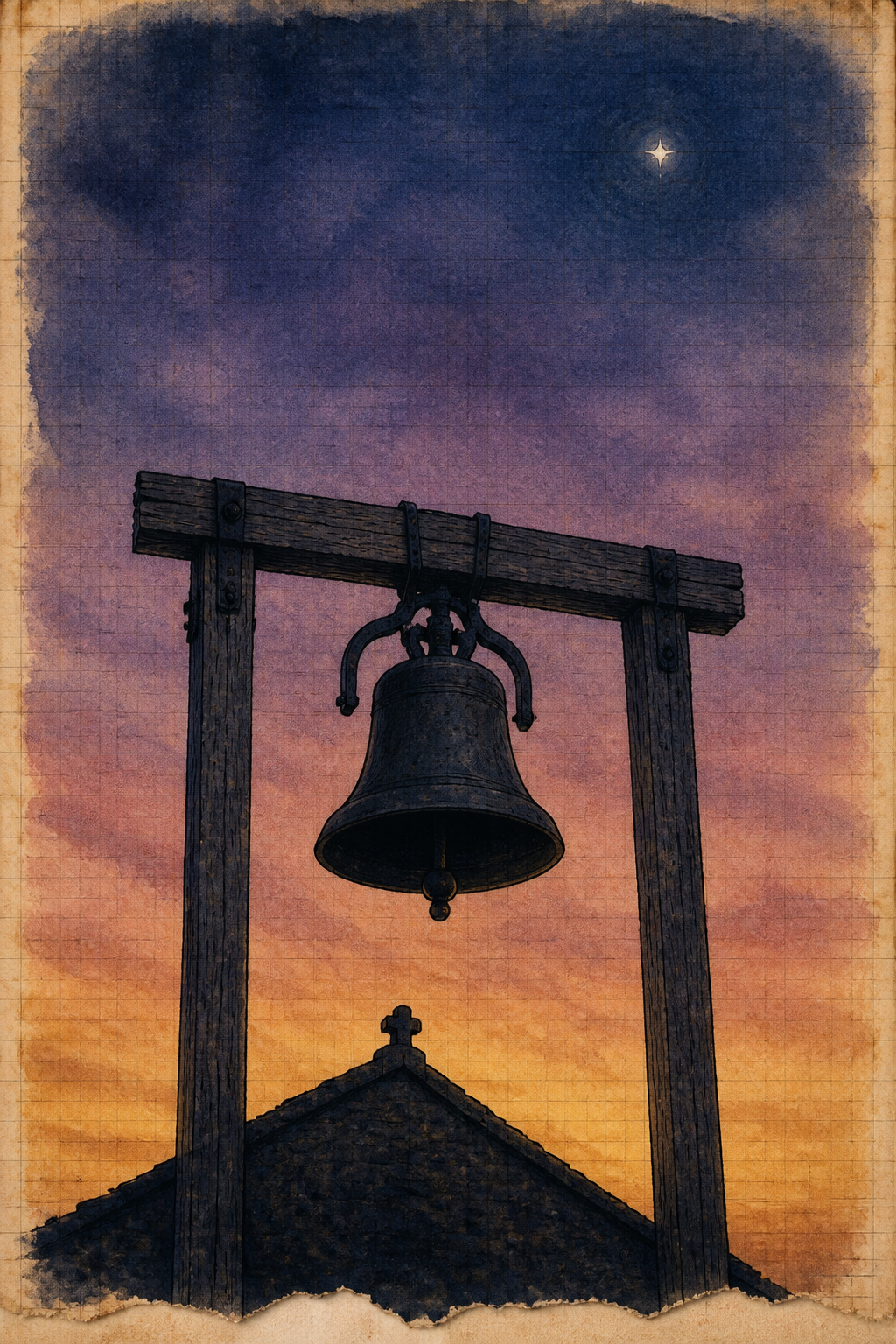
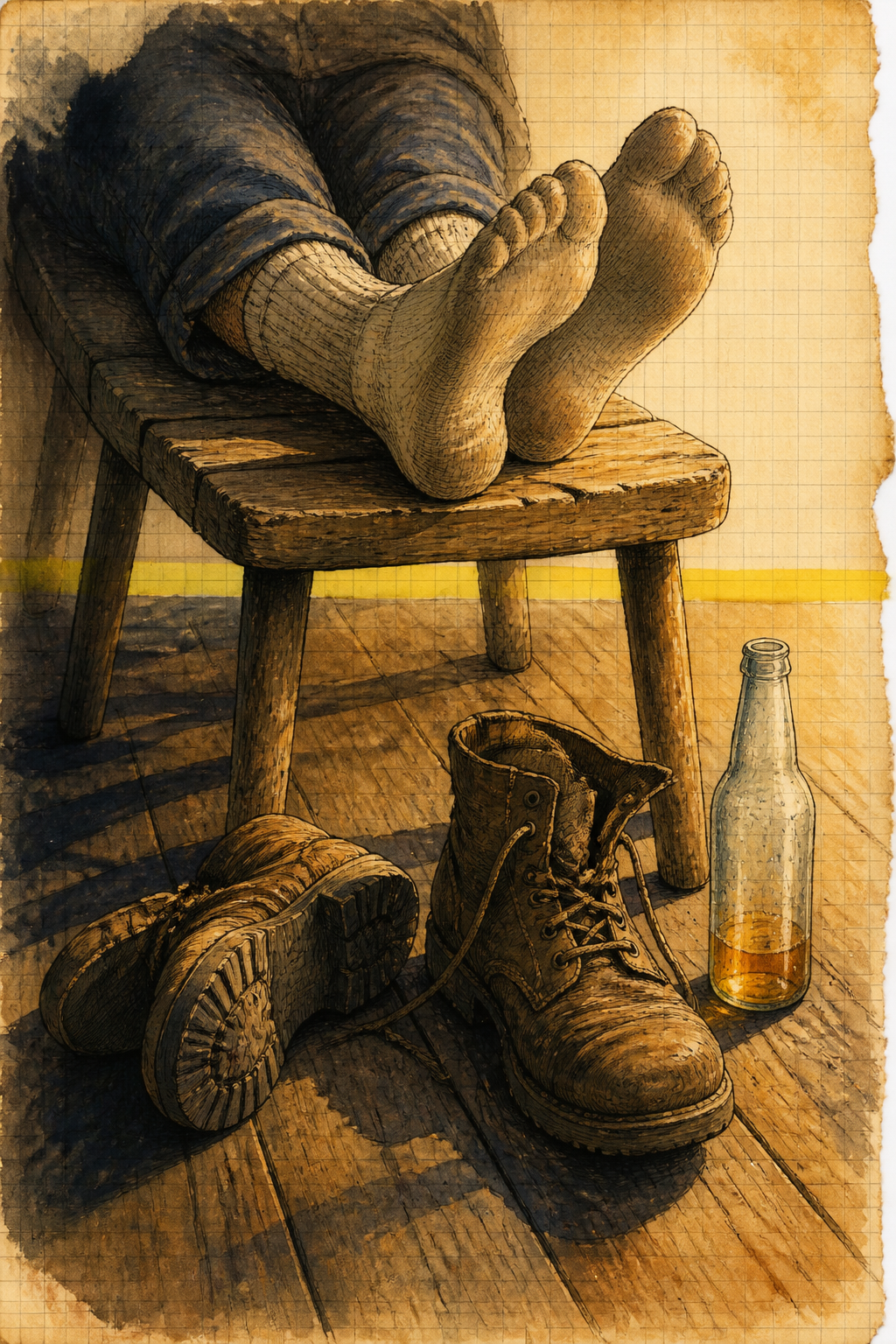
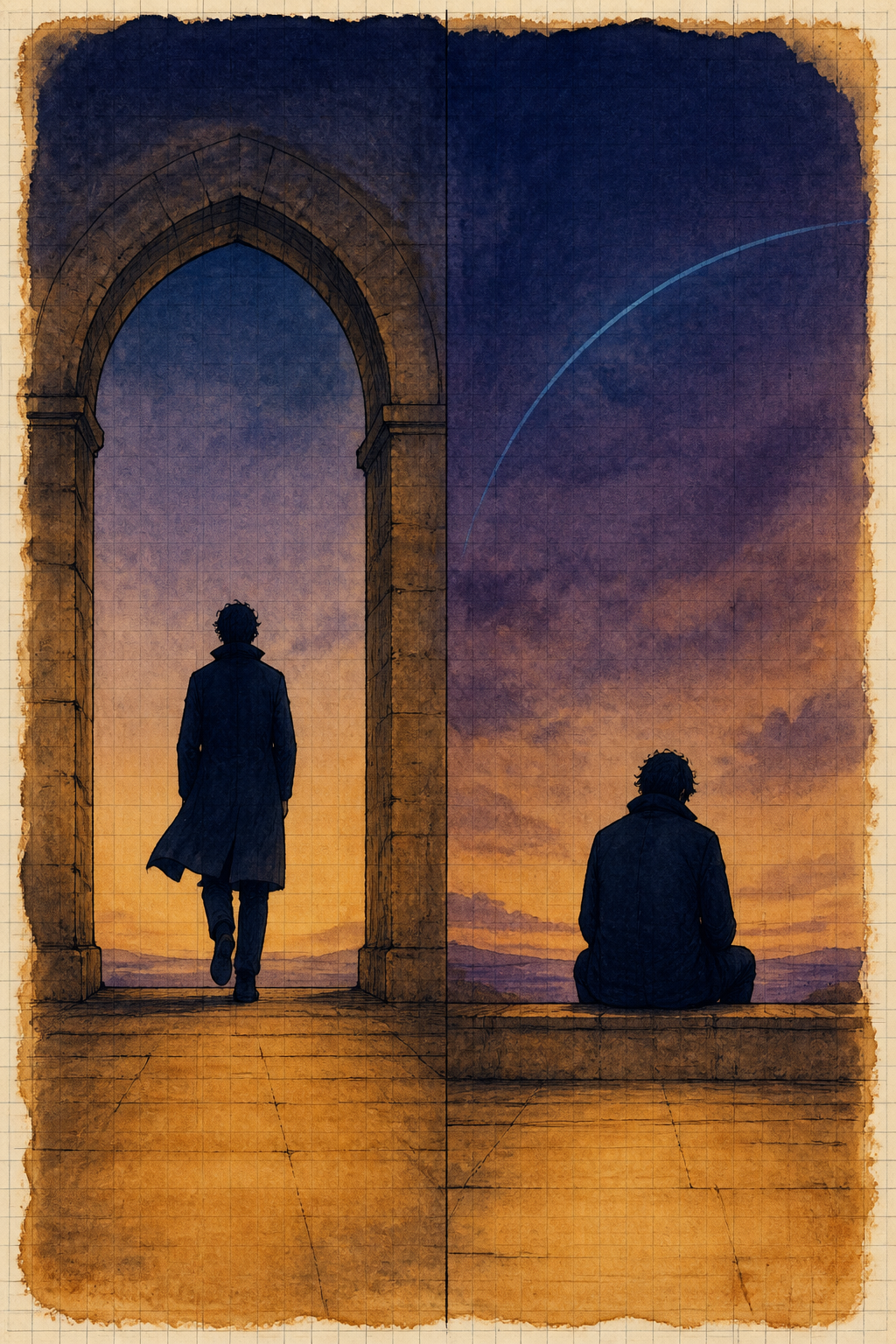
German. Middle High German vīrābent was the evening before a feast day, so the rest began the night before. The sense of the evening after work is only from the sixteenth century.
德语。中古德语里指节前那一晚,休息是从头天夜里开始算的。变成下工以后的傍晚,是十六世纪才有的事。
Celebration-evening. Not the evening of a holiday, but the evening a holiday starts in.
字面是「庆祝的傍晚」。不是节日那天的傍晚,是节日从这个傍晚起算。
Not the hours after work. The state that begins the moment the work is set down, and it is made, not received.
不是下工以后那几个钟头,是把活儿放下的那一刻开始的状态。得自己做出来,没人发给你。
The nearest Chinese phrase names the leaving, walking out of the workplace at the hour. This word names what is left once nothing is owed: it can be had with no workplace at all, and said to a person it means, enough, we are finished.
中文里最接近的是「下班」,但差了一点。下班说的是人走了,这个词说的是活儿在心里停了;没有班可下的人也可以有。