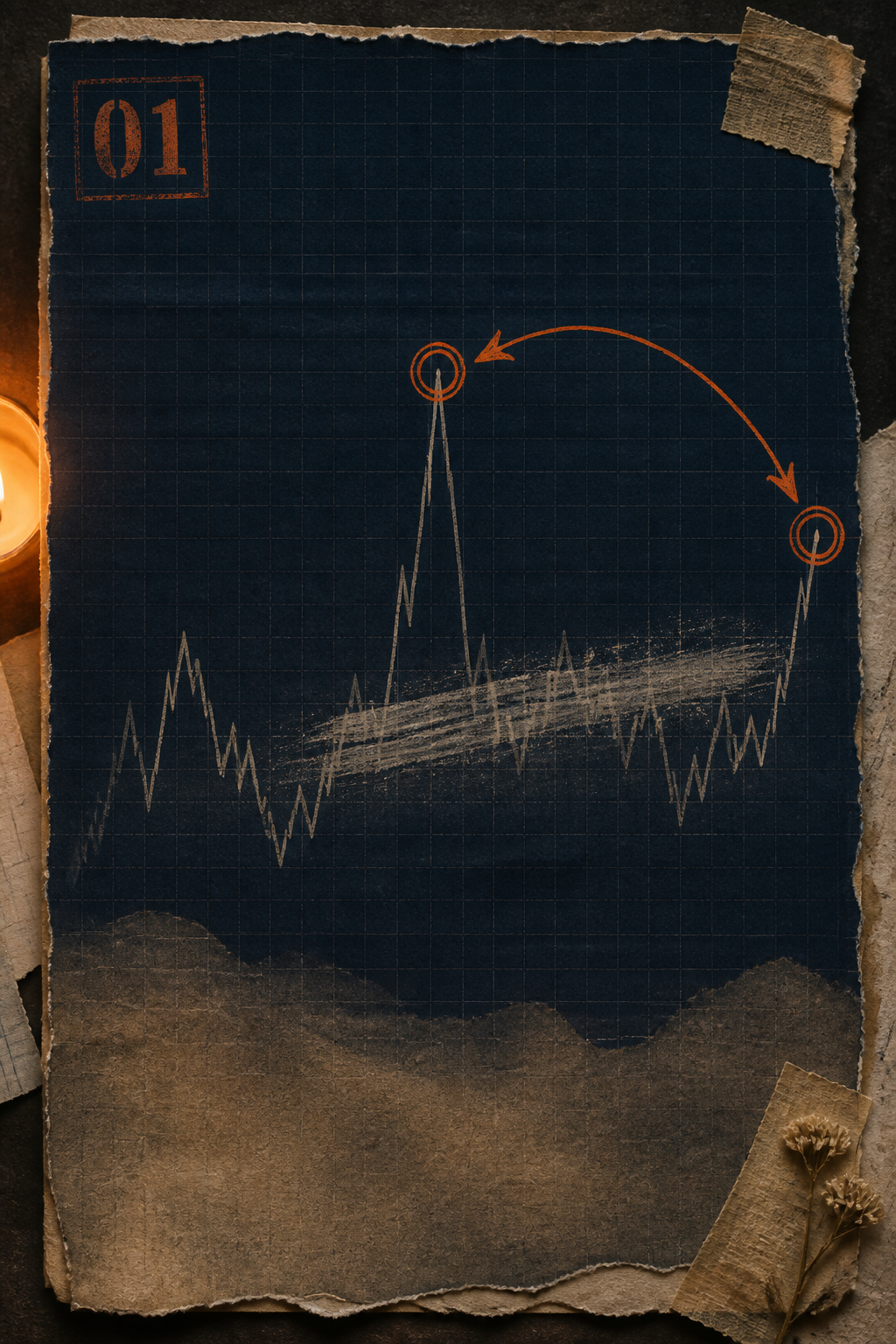
What you keep of an experience is its most intense moment and its last one. How long it went on barely counts.
记住的只有最凶的那一下和最后那一下。中间有多长,几乎不算数。
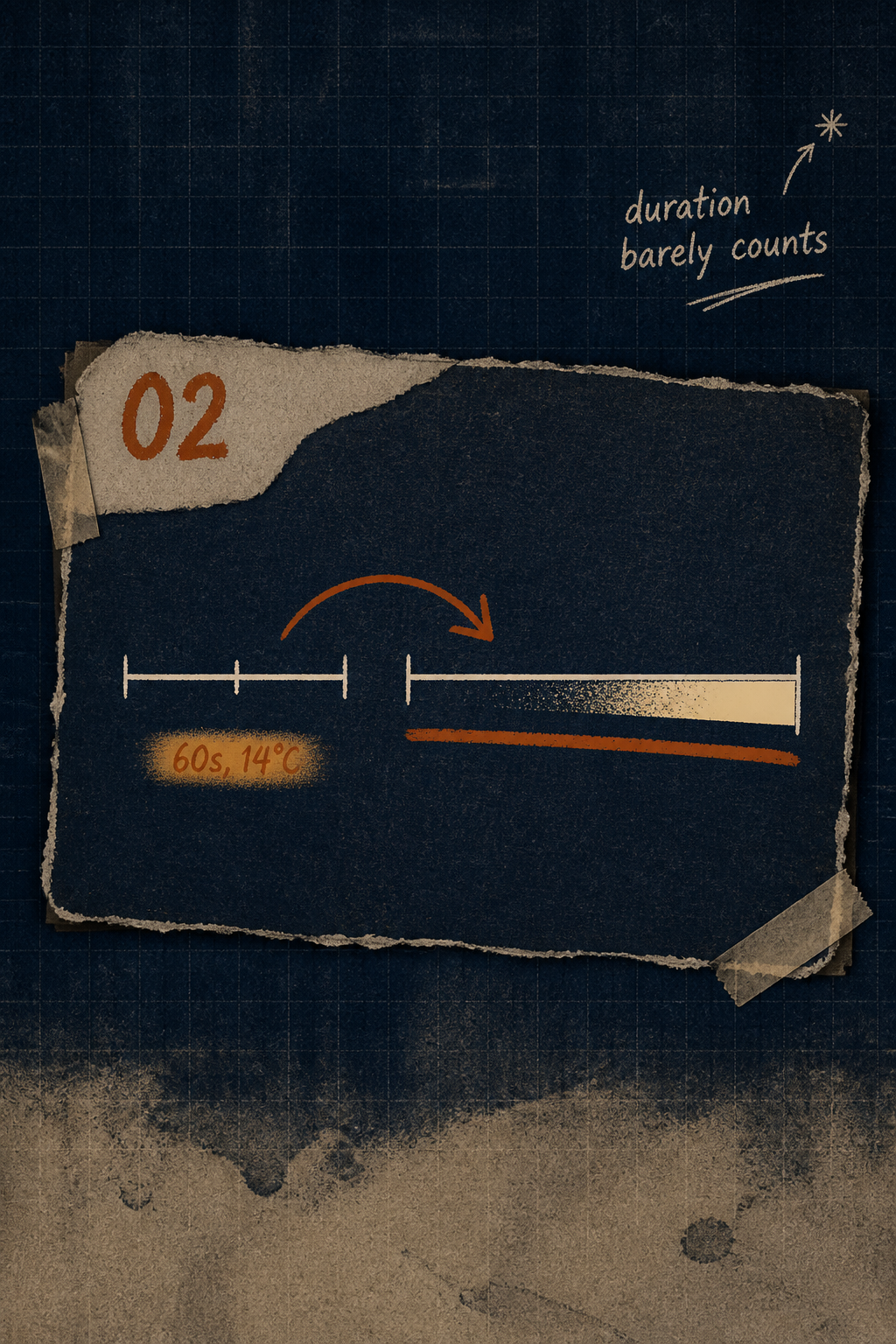
Kahneman and Fredrickson, 1993: a hand in 14°C water for 60 seconds, or the same 60 seconds plus 30 more as it warmed to 15°C. Most people chose to repeat the longer one.
卡尼曼和弗雷德里克森一九九三年做的实验:手泡在十四度的水里六十秒,或者同样六十秒再加三十秒、让水升到十五度。多数人选了再来一次更长的那个。
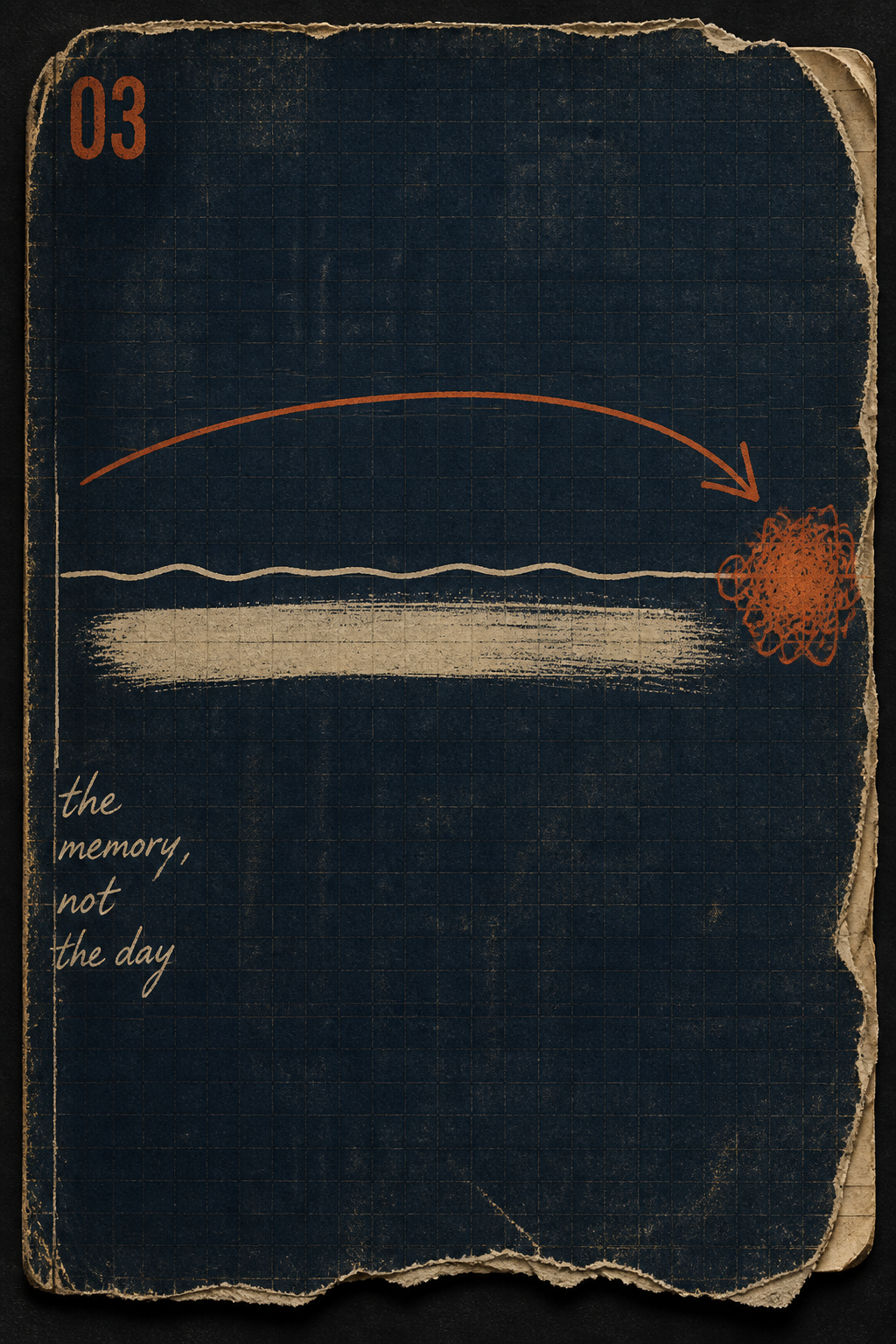
A good week away, and the flight home is a mess. What you tell people afterwards is the airport.
一趟好好的旅行,回程一塌糊涂,之后跟人讲的全是机场。这条我经常犯。
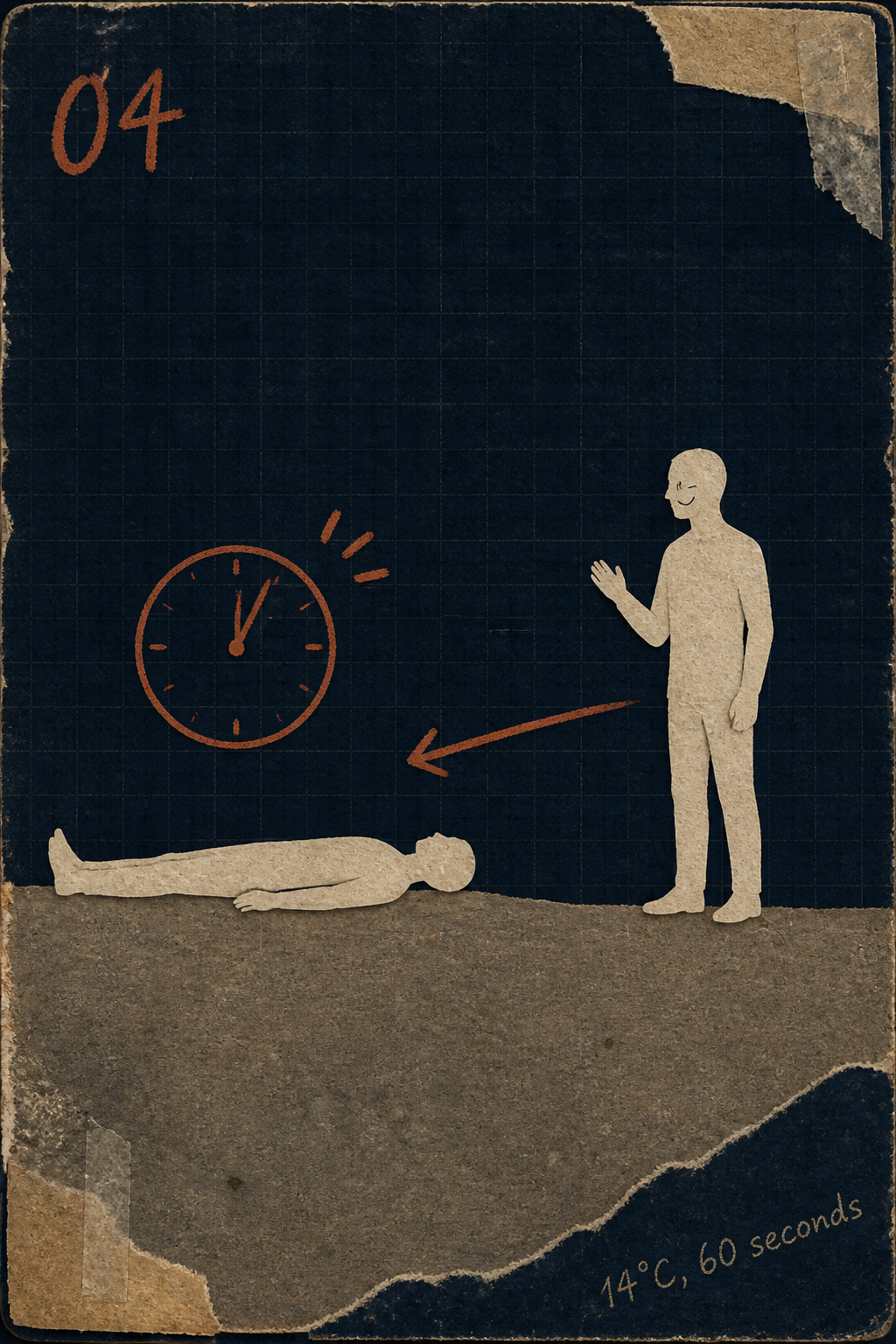
In 2003 the same researchers added up to three more minutes of discomfort to 682 colonoscopies, purely to improve the memory. It worked, and more patients came back. The rule buys a better memory with more real suffering, and the one living it still pays.
二〇〇三年同一批人往六百八十二例肠镜的末尾多加了三分钟不适,就为了让记忆好看,居然管用,回来复查的人更多了。改的是回忆,不是那段日子,罪一点没少受。