
Gigil
Tagalog, from the Philippines. The Oxford English Dictionary took it in as a noun and adjective in March 2025; it had been written in Philippine English since 1990.
他加禄语,菲律宾的词。牛津英语词典二〇二五年三月才收,此前当地英语里已经写了三十多年。
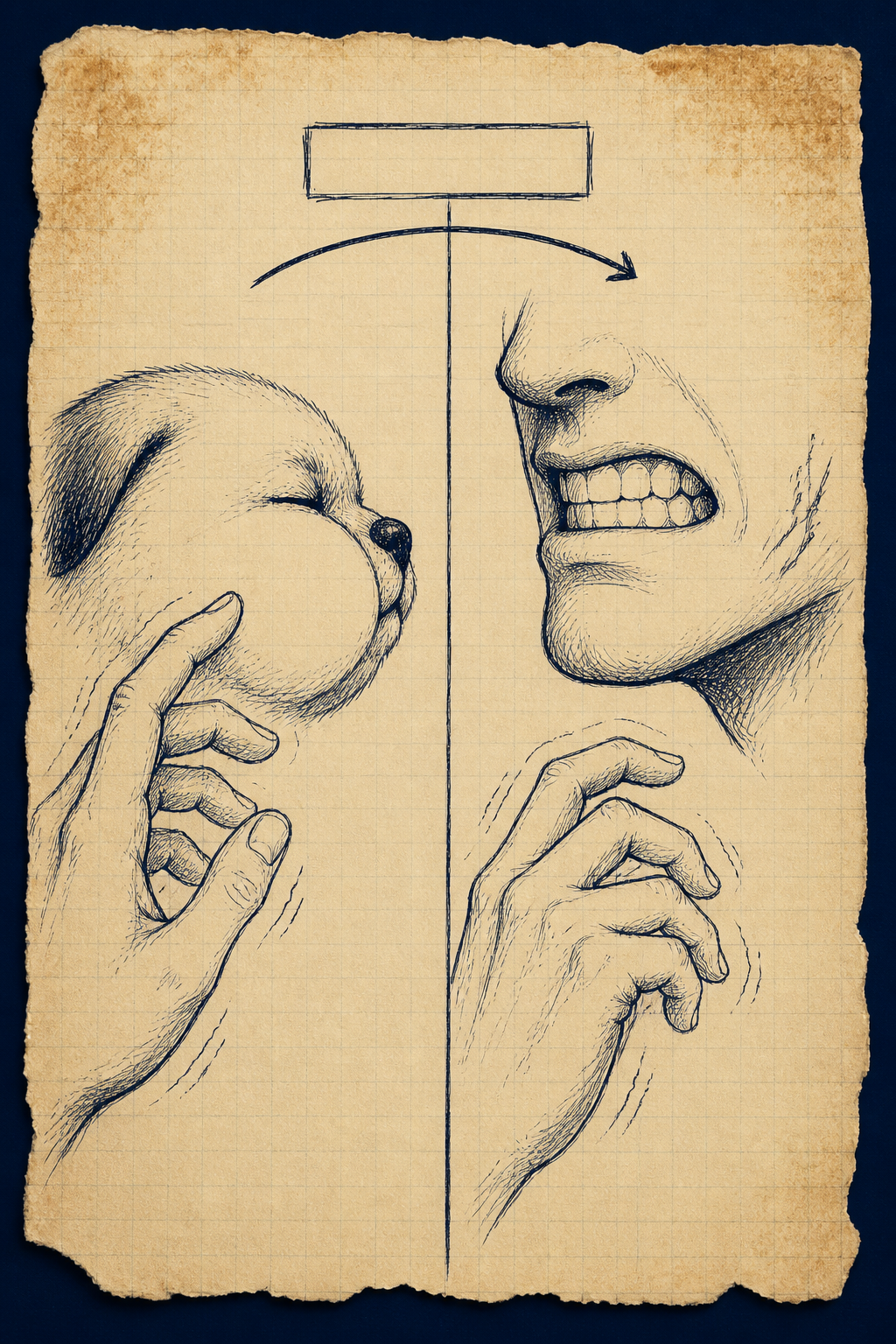
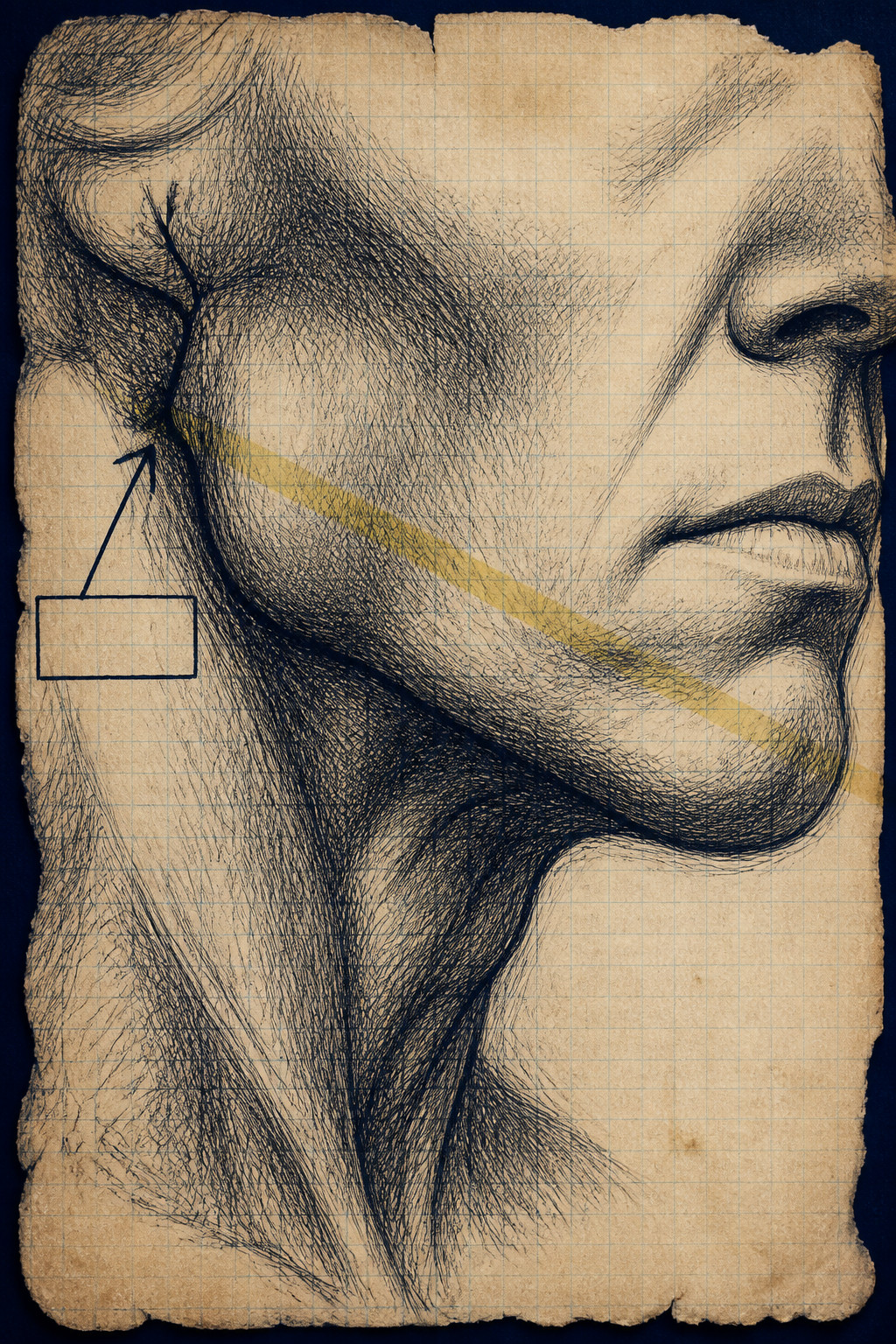
GEE-gil OED, March 2025The body, not the feeling. Teeth pressed together, hands tightening, a shake held inside the arms.
说的是身体,不是心情。牙咬住,手收紧,抖在里面没放出来。
the hands go firstA feeling gone past the size a person can sit still through. A puppy's cheek. Someone who has been talking too long. One word covers both.
一种大到坐不住的感觉。可以是一只小狗的脸,也可以是一个说个没完的人。同一个词,两头都算。
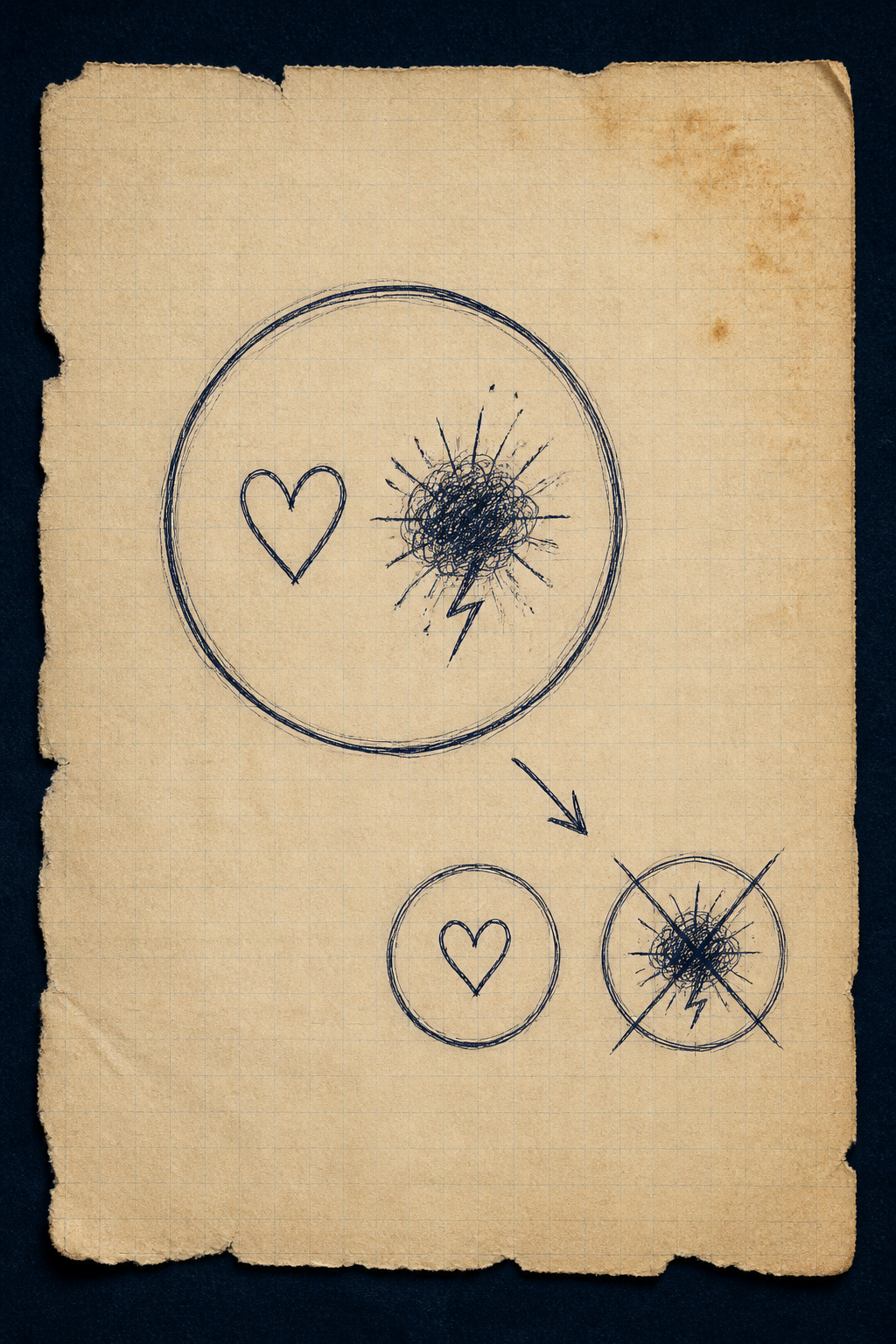
both halves, same word手痒 takes the fond half, 气得发抖 takes the angry half. Tagalog never split them, and the English lists that call this word untranslatable kept only the cute one.
「手痒」拿走喜欢的那半,「气得发抖」拿走生气的那半。中文得先挑一边才说得出口,这个词不挑。
none of it gets let outThe word is about a body, which is why it travels badly. Nobody says in English: my teeth are together and my hands have gone tight. They say cute, or they say furious, and the shaking goes unmentioned. Tagalog put the shaking first and left the reason for later.
这个词我想了很久。它落在动作前面——想捏一把,手已经紧了,人还没动。那边把这一下单独拿出来命名,好像很平常。我这边没有这样一个词,抖过去也就抖过去了。