The small thing that makes tomorrow morning worth turning up for, and the feeling of having one.
明天早上值得起来的那一点小事。就这么大。
Mieko Kamiya, a psychiatrist at the Nagashima Aiseien leprosy sanatorium, wrote Ikigai ni tsuite in 1966. She split it in two: the thing itself, and the feeling of the one who has it.
神谷美惠子,一九六六年写的。她把它分成两半:那件事,和有那件事的感觉。
Name one thing you did today that you would have done with nobody watching. Small and domestic counts.
今天做过的事里,挑一件没人看也会做的。够小也算。
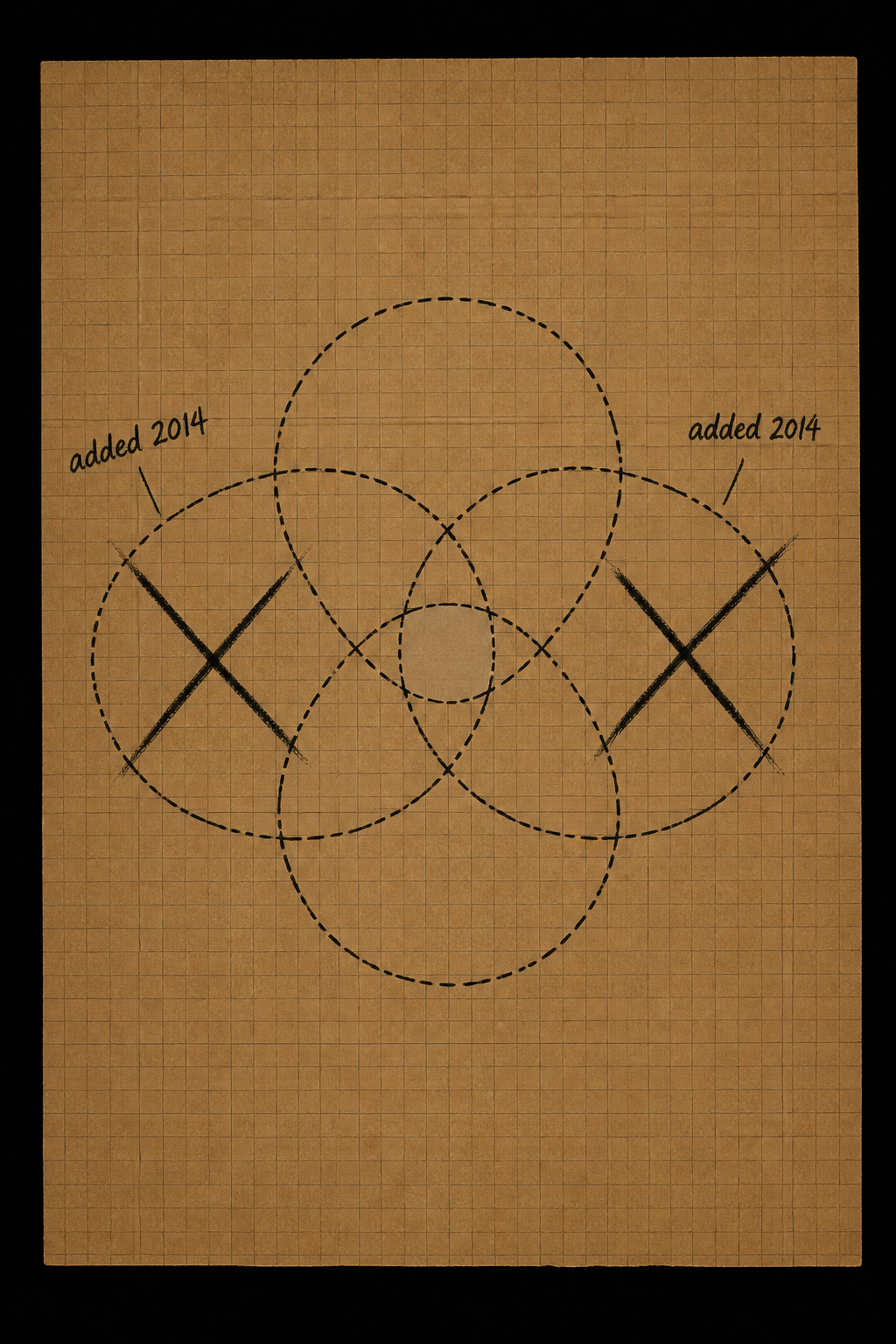
The four-circle diagram is not hers and not Japanese. A Spanish astrologer, Andres Zuzunaga, drew it as a purpose diagram; Marc Winn relabelled the centre ikigai on his blog in 2014. It adds two tests Kamiya never set — that it must pay, and that the world must need it — and most ordinary lives fail them.
那张四个圆的图不是她画的,是二〇一四年一个博主贴上去的。它多加了两条:要能挣钱,要世界需要。她没这么说过。按那两条算,谁还合格?