

01
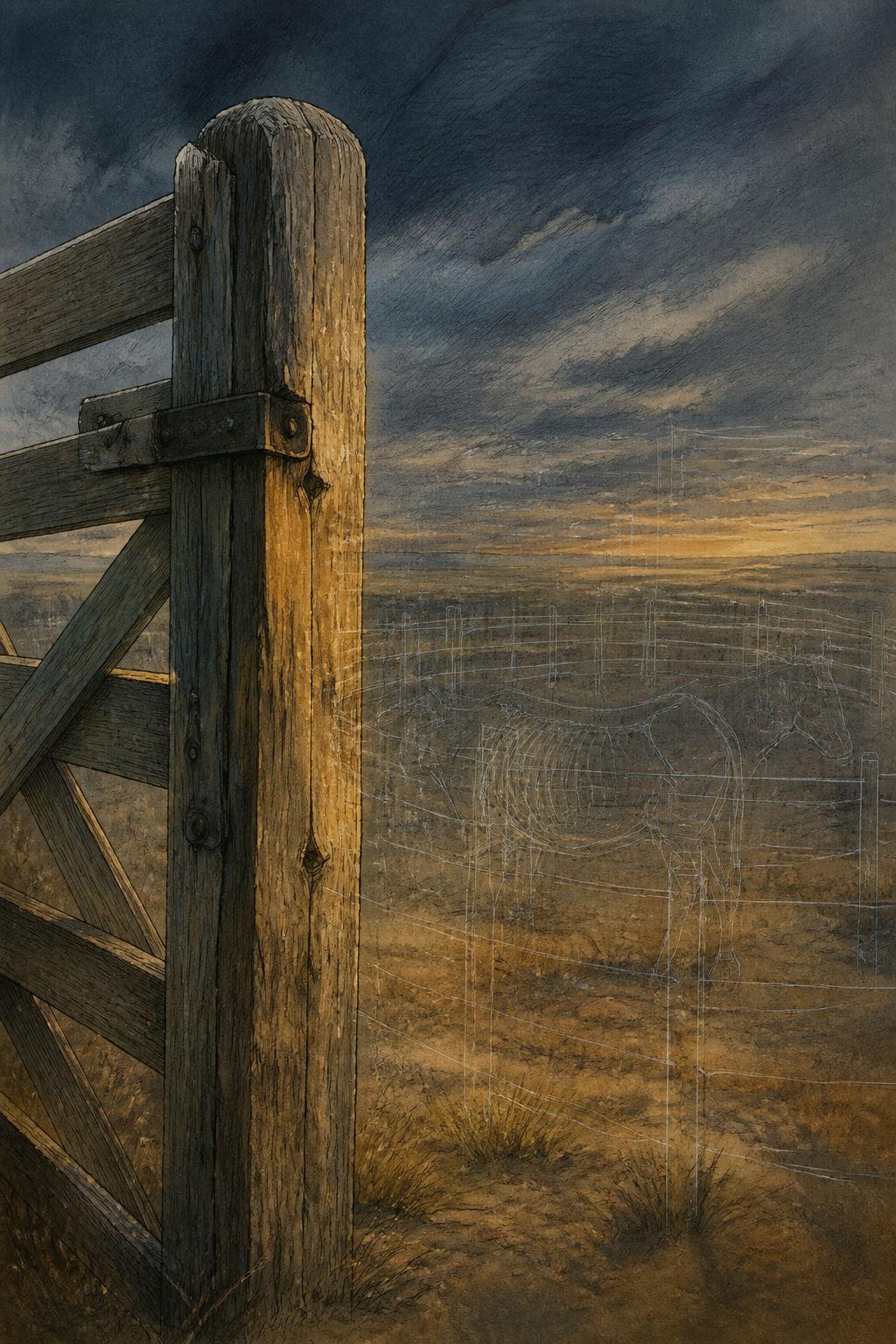
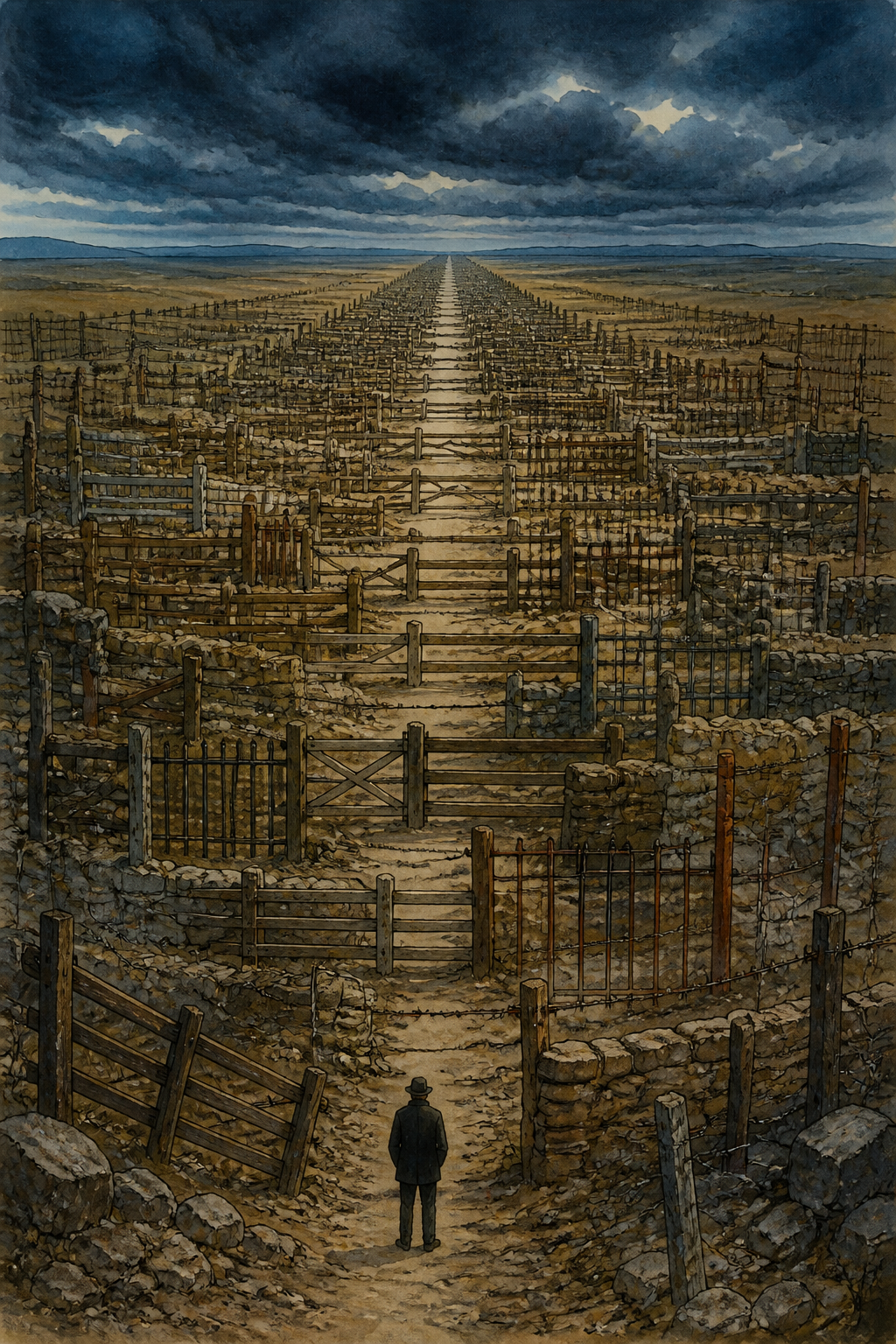
Before you take something down, find out why it went up.
02
G.K. Chesterton, The Thing (1929), "The Drift from Domesticity." He never gave it a name.
03
The approval step nobody likes: someone added it the year something went badly wrong.
04
His sentence does not stop at the warning; it ends "I may allow you to destroy it." Quoted half, "go and find out" turns into "never touch it."
EN
Before you take something down, find out why it went up.
Chesterton, 1929. He was arguing about the family, not about systems.
His sentence does not stop at the warning. It ends: I may allow you to destroy it.
Quoted half, it becomes a way to keep everything exactly as it is.
Go and find out is the instruction. Not don't touch.
中文
说白了就是:动手拆之前,先弄清楚它当初为什么立在那儿。
这条我经常犯。看不出用处,就当它没用。
切斯特顿一九二九年写的,那篇文章其实在讲家庭,不是讲制度。
原话后半句是——你想明白了,我就可以让你拆。大家引的时候把后半句掐了。
记住这点就够了:这是让你去查,不是让你别动。